
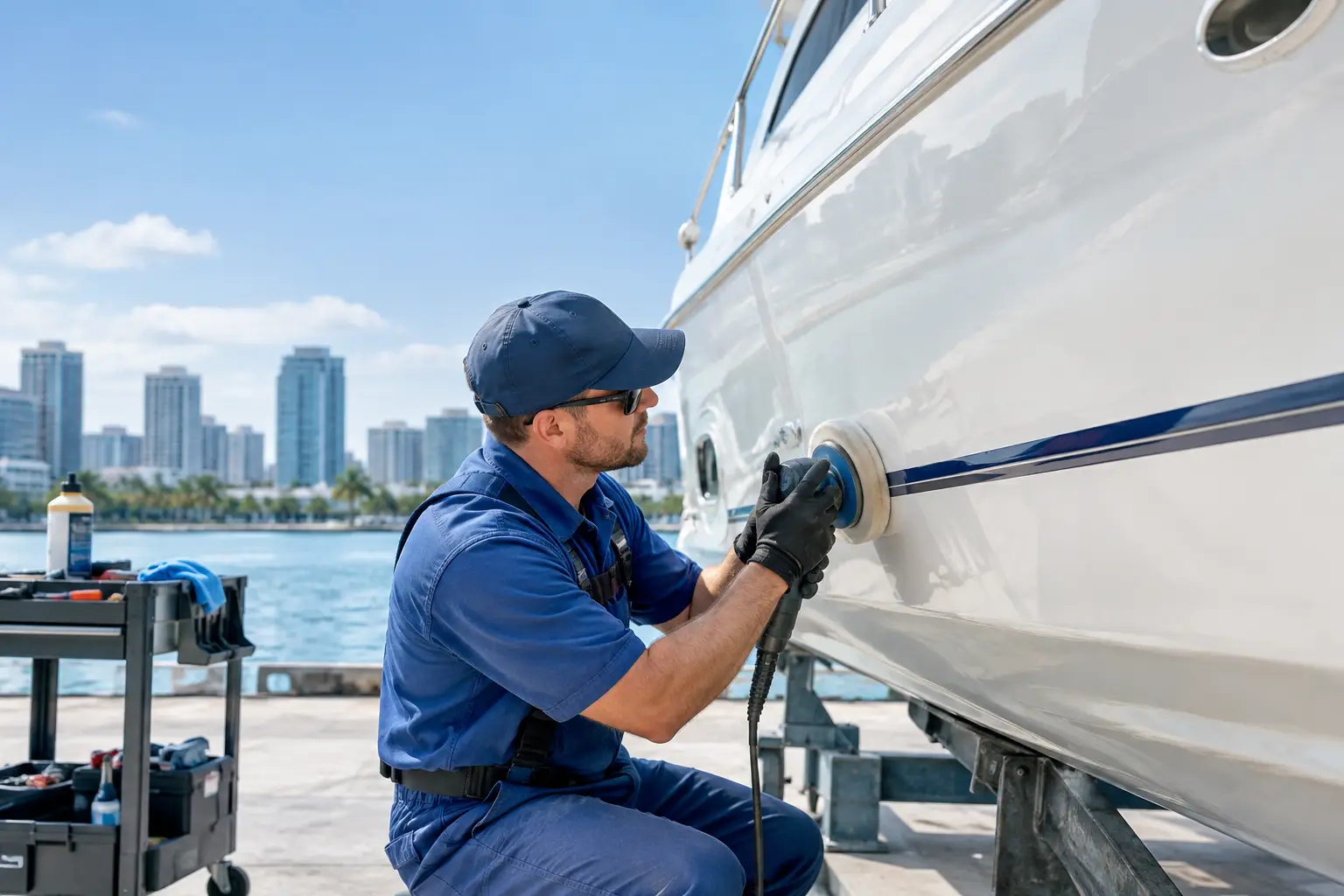
A no-start at the dock, a rising engine temperature on the way to Palm Beach Inlet, or an unexplained generator alarm can change a good boating day quickly. West Palm Beach yacht repair should not automatically mean arranging a haul-out, coordinating transport, and waiting for a yard opening. For many engine, electrical, steering, and generator concerns, qualified mobile technicians can come directly to the vessel and begin finding the real cause.
For yacht owners, captains, and fleet operators, that difference matters. A vessel that sits waiting for service loses more than a weekend on the water. It can disrupt charters, crew schedules, marina plans, and long-planned trips. The right repair approach focuses on accurate diagnostics, practical repairs, and preventive care that protects both uptime and the long-term value of the boat.
When West Palm Beach Yacht Repair Cannot Wait
Some problems clearly call for immediate professional attention. A diesel engine that will not start, overheats, loses power, produces unusual smoke, or triggers repeated alarms should not be pushed through another trip. Continuing to run it can turn a manageable issue into damage involving injectors, turbochargers, cooling components, or internal engine parts.
The same caution applies to generator failures, steering problems, electrical faults, fuel leaks, cooling-water leaks, and abnormal vibration. A small drip beneath an engine or a slight change in steering response may not seem urgent at first, but marine systems operate under heat, vibration, salt exposure, and heavy loads. Those conditions can accelerate failures quickly.
A mobile technician can assess the symptoms at the vessel, inspect related systems, run diagnostics where appropriate, and recommend the next step. Sometimes the answer is a targeted dockside repair. Other times, the inspection may reveal that a yard-based repair or haul-out is genuinely necessary. Good service means giving owners a clear answer, not forcing every problem into the same solution.
Why Accurate Diagnostics Save Real Money
Marine engines are often compared to the heart of a yacht, but the better comparison is medical care. A capable marine technician works like a doctor: listen to the symptoms, inspect the evidence, test the systems involved, and diagnose before prescribing a repair. Replacing parts based on a guess may feel fast, but it can waste time and money while the underlying fault remains.
On a modern diesel vessel, a performance issue can originate in more than one place. It may involve fuel delivery, air intake, aftercooler efficiency, raw-water flow, sensors, wiring, exhaust restrictions, or controls. The same is true when a generator trips or a helm system behaves unpredictably. Diagnosis must consider the full system, not just the component that first appears to be failing.
This is especially relevant for vessels running major platforms such as MTU, MAN, and Caterpillar. Manufacturer-compatible knowledge, proper test methods, and familiarity with marine operating conditions help technicians separate a minor service need from a fault that could affect reliability at sea. Owners should expect plain-language findings along with a realistic explanation of repair priorities.
Mobile Service Reduces the Burden of Repair
Traditional boatyard repairs have a place, particularly for work that requires hauling, major structural access, or specialized shop equipment. But taking a 50-foot, 100-foot, or larger yacht to a yard is not a small task. It may involve moving the vessel, scheduling dockage, coordinating captains and crew, waiting for access, and paying for services that are not part of the actual repair.
Mobile marine service eliminates much of that logistical burden when dockside work is appropriate. The technician comes to the marina, private dock, or other accessible location, bringing the diagnostic capability and tools needed to evaluate the problem. That can reduce downtime and avoid the added expense associated with moving a vessel solely for an engine or systems inspection.
Convenience is not just a luxury. It gives owners and captains the ability to address concerns sooner. Early attention to a weak battery connection, restricted cooler, worn belt, loose fitting, or developing electrical fault can prevent a larger interruption later. Waiting until a problem becomes a no-go condition is usually the more expensive choice.
The Systems That Deserve Routine Attention
Reliable yacht operation depends on more than the main engines. A maintenance plan should account for the systems that support propulsion, navigation, comfort, and safety. The exact schedule depends on engine manufacturer guidance, vessel use, operating hours, age, and whether the boat spends long periods sitting in South Florida heat and salt air.
Engine maintenance commonly includes inspections of fluids, filters, belts, hoses, cooling performance, fuel systems, batteries, and alarms. Diesel engines also benefit from attention to air and fuel quality, cooling-system condition, and signs of corrosion or leakage before they cause a loss of power.
Cooler service is another area that owners should not ignore. Heat exchangers, aftercoolers, oil coolers, and related cooling components can collect scale, debris, and corrosion over time. Restricted flow can contribute to overheating and reduced performance. The right service interval depends on the vessel and its operating environment, but waiting for an overheat alarm is not a maintenance strategy.
Generators deserve the same level of care as propulsion engines. A generator that starts reliably at the dock but fails under load can leave a yacht without key onboard systems when they are needed. Routine testing, inspection, and service help identify issues before a trip exposes them.
Electrical and Steering Problems Need a Methodical Approach
Electrical issues are frustrating because the symptom is often far from the actual fault. A failed pump, dim display, intermittent alarm, or battery that will not hold a charge may trace back to a connection, charging issue, corroded component, damaged wire, or improper load. Marine electrical repairs should be performed carefully because a shortcut can create repeat problems or compromise safety.
Steering systems also require prompt attention. Stiffness at the helm, unusual noise, fluid loss, delayed response, or inconsistent steering feedback should be inspected before the vessel leaves the dock. Whether the system is hydraulic, electronic, or a combination, dependable steering is not an area for guesswork.
A qualified technician should look beyond the obvious symptom, identify the condition of related components, and explain what needs repair now versus what should be monitored. That helps owners make informed decisions without losing sight of safety and reliability.
Choosing a West Palm Beach Yacht Repair Partner
The best service provider is not simply the one who can arrive first. Look for a marine repair team that is certified, licensed, and insured, with experience on vessels similar to yours. A technician working on a large diesel yacht should understand the engine platform, the supporting systems, and the operating demands of the vessel.
Availability matters, too. Marine problems do not always appear during business hours, and delays can grow costly when a vessel is scheduled to depart. A 24-hour mobile-response model gives owners and captains a practical path to get professional guidance when an issue appears, without immediately committing to the expense and disruption of a yard visit.
Ask for a clear explanation of the diagnosis, recommended repairs, expected parts needs, and maintenance considerations. Cost-conscious service does not mean cutting corners. It means avoiding unnecessary work, addressing the actual fault, and helping prevent the next avoidable breakdown.
Keep Small Concerns From Becoming Major Downtime
The most valuable repair call is often the one made before a failure. Record engine hours, watch gauges and alarms, note changes in starting behavior, and act when something feels different. Captains who keep simple records of temperatures, pressures, service dates, and recurring alerts give technicians better information and help speed up diagnosis.
GTM International provides mobile marine maintenance and repair throughout West Palm Beach and the South Florida coastal corridor, supporting gas and diesel vessels from 50 to 500 feet. From engine inspections and cooler service to generator, electrical, and steering repairs, the goal is straightforward: come to the vessel, identify the problem correctly, and help get you back out at sea with less time, money, and stress spent on repair logistics.
If your yacht is showing an early warning sign, schedule service while it is still a manageable conversation at the dock. Prompt, professional attention is often the simplest way to protect the next day on the water.
