
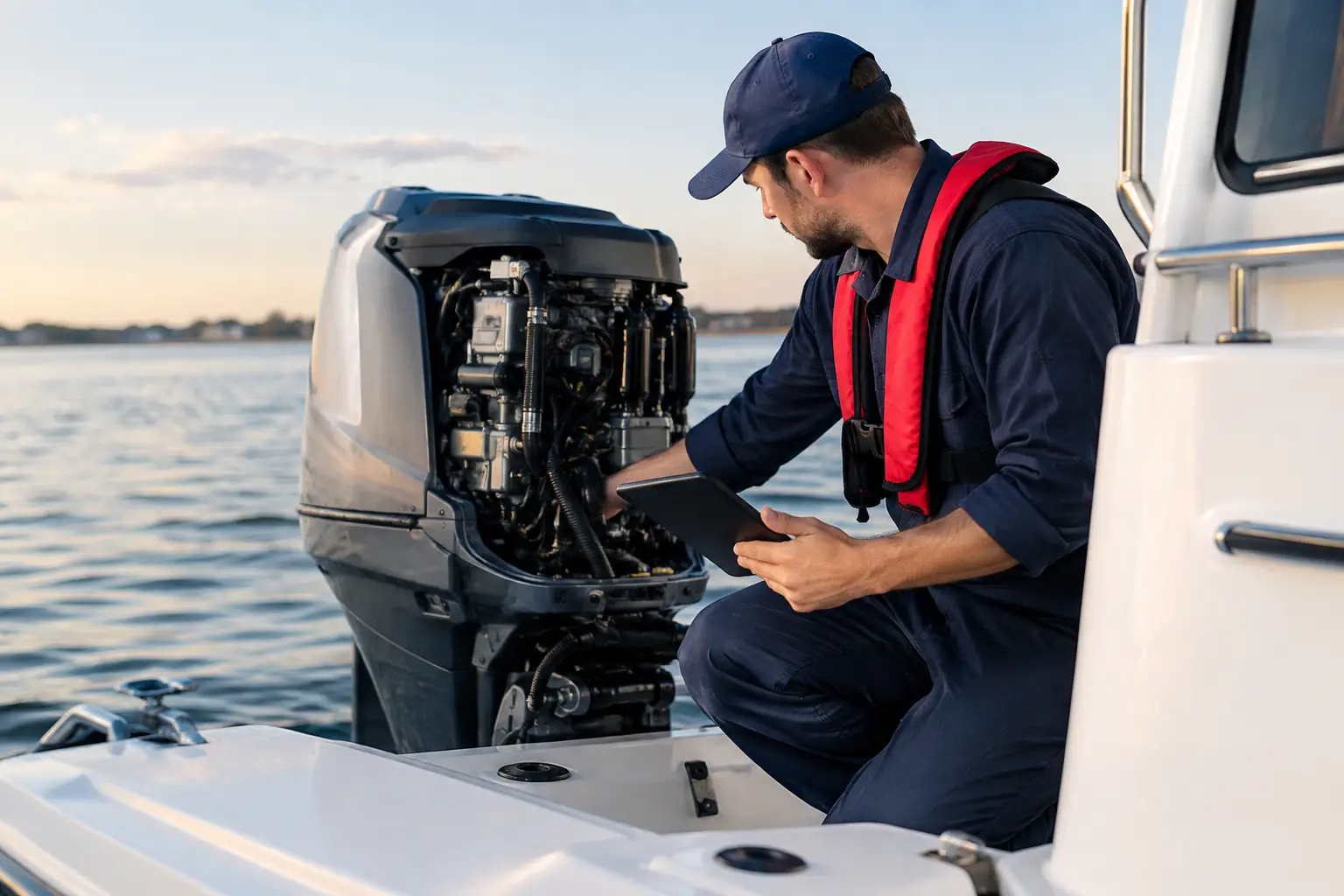
A stalled generator before guests arrive, an overheating diesel on the Intracoastal, or a steering issue just as a captain is preparing to depart can turn into a costly problem fast. Emergency marine service reviews can help owners and captains identify a qualified mobile repair partner before that call has to be made under pressure.
The most useful reviews do more than say a technician was friendly or a repair was completed. They reveal whether the provider arrived when promised, diagnosed the actual failure, communicated clearly, and helped the vessel return to service without creating a second problem. For yachts and larger diesel-powered vessels, those details matter far more than a star rating alone.
What Emergency Marine Service Reviews Should Tell You
When an engine alarm sounds, it is tempting to call the first company that answers. That may be the right decision in a true safety situation, but it is not the best way to choose a long-term service partner. Reading reviews ahead of time gives owners a clearer picture of how a company performs when the work is urgent, technically demanding, and expensive.
Start by looking for comments about response time. “Fast service” is helpful, but a detailed review is better: Did the technician return a call after hours? Did the company come directly to the marina, dock, or private residence? Did they arrive with diagnostic equipment and common service parts, or did the vessel wait days for a basic assessment?
Mobile response is particularly valuable along the South Florida coast, where hauling a vessel to a yard can add scheduling delays, transport costs, and unnecessary stress. A capable mobile technician can evaluate the problem where the vessel sits, which may be the difference between a short interruption and a lost weekend, charter, or trip.
The strongest reviews also describe the type of work performed. An owner whose generator was repaired, whose cooling system was serviced, or whose diesel fault was accurately diagnosed is providing more useful information than a generic recommendation. Specifics show that the company has experience beyond routine oil changes.
Look for Proof of Diagnostic Skill
Marine engines rarely fail in a convenient, obvious way. An alarm may point to a cooling issue, yet the root cause could involve a restricted cooler, a failing sensor, an electrical connection, an impeller, or a problem elsewhere in the system. That is why the best emergency service is not simply the fastest service. It is the fastest service supported by sound diagnostics.
Reviews that mention troubleshooting, testing, inspection, and clear explanations are worth close attention. A technician should not guess at repairs or replace expensive components without evidence. Much like a doctor evaluates symptoms before prescribing treatment, a qualified marine technician should use the vessel’s condition, engine data, system testing, and manufacturer knowledge to find the real cause.
For diesel-powered yachts, it also helps to see references to the engine platforms on board. MTU, MAN, and Caterpillar systems require technicians who understand their operating characteristics, service requirements, and diagnostic approaches. A provider may be excellent with small outboards yet not be the right fit for a larger yacht with sophisticated diesel propulsion, generator, electrical, and steering systems.
Pay attention to reviews from vessel owners whose boats are similar to yours. A 50-foot sportfish, a motoryacht, and a 300-foot commercial or private vessel can all need emergency support, but their systems, access requirements, and downtime costs are very different. Experience across the vessel sizes a provider claims to service is a meaningful sign of readiness.
Details That Signal a Credible Review
Not every short review is suspicious. Some customers are simply relieved to be back underway. Still, detailed feedback usually gives a better indication of what you can expect. Look for a description of the original issue, what the technician checked, how the repair was handled, and whether the boat performed properly afterward.
Credible reviews often mention practical behaviors: showing up prepared, protecting the vessel while working, keeping the captain informed, explaining options, and providing an understandable invoice. These details are hard to fake because they reflect the service experience from the first phone call through final testing.
A pattern matters more than one dramatic story. One five-star review may be encouraging, but repeated comments about prompt communication, accurate diagnosis, professional work, and fair pricing are more meaningful. The same is true with criticism. A single complaint can have many explanations. Several reviews describing missed appointments, unanswered calls, or incomplete work should not be ignored.
Read Beyond the Star Rating
Five stars are useful only when you understand why they were given. A company with a high rating based mostly on minor maintenance work may still be untested when a vessel loses power offshore or develops a serious cooling issue at the dock. Conversely, a provider with fewer reviews may have extensive technical experience serving larger vessels and repeat commercial clients.
Read the newest feedback first. Emergency response standards can change with staffing, seasonal workload, and service coverage. A strong record from several years ago is positive, but recent reviews better indicate whether the company is currently answering calls, maintaining qualified personnel, and serving your area consistently.
Also consider how a company responds to negative reviews, if responses are available. A defensive reply is rarely reassuring. A professional response that addresses the concern, explains the next step without revealing customer details, and shows accountability is a better signal. Marine repairs involve complex systems, weather conditions, access limitations, and parts availability. Problems can happen. What matters is how the provider communicates and works to resolve them.
Pricing Reviews Need Context
Owners naturally want competitive rates, particularly when an emergency repair was not in the budget. But reviews that focus only on the lowest price can be misleading. A low initial bill is not a saving if the diagnosis was incomplete, the wrong part was installed, or the vessel needs to be serviced again before the next trip.
Look for comments about estimates, labor transparency, and whether the technician explained priorities. In an emergency, some work cannot wait. A failed bilge-related electrical component, a steering concern, or a major engine cooling problem may require immediate attention. Other findings may be appropriate for a scheduled maintenance visit. A trustworthy technician helps the owner understand that difference.
Mobile service can also change the cost calculation. Bringing certified repair capability to the vessel may avoid hauling, yard coordination, and days of downtime. The exact savings depend on the marina, vessel size, repair scope, and available access, but convenience has real operational value when a yacht needs attention now.
Questions to Ask Before You Need Help
Reviews should narrow your choices, not replace a direct conversation. Before an emergency occurs, call prospective service providers and ask whether they offer 24-hour response, which areas they cover, and what vessel types they regularly support. Ask about certification, licensing, insurance, supported engine brands, and whether they can perform onboard diagnostics.
You should also ask what happens after the initial assessment. Can the company source parts? Can it handle follow-up repair work and preventive maintenance? Will the same team be able to support the vessel after the immediate problem is stabilized? Continuity matters because technicians familiar with your engine history, generator condition, and prior repairs can spot developing issues sooner.
For owners and captains in the West Palm Beach to Fort Pierce and Fort Lauderdale corridor, GTM International provides mobile service for gas and diesel vessels from 50 to 500 feet, including engine, generator, cooling, electrical, and steering concerns. The goal is straightforward: bring qualified technicians to the vessel, identify the problem correctly, and reduce the time, money, and stress associated with an unexpected breakdown.
Use Reviews to Build a Maintenance Plan
The most valuable emergency review may be the one that reminds you not to wait for an emergency. Many urgent calls begin with a condition that could have been identified during an inspection or preventive service visit: declining cooling performance, deteriorated hoses, generator irregularities, corroded electrical connections, or engine data that has started to drift outside normal ranges.
A service partner who earns positive emergency reviews should also be able to help prevent repeat emergencies. Ask about scheduled engine inspections, cooler service intervals, generator maintenance, and system checks tailored to how the vessel is used. A yacht that runs frequently, sits seasonally, charters, or travels long distances will not have the same maintenance needs.
Keep a short list of qualified providers, store their contact information where the captain and crew can reach it, and review service records before a departure. The best time to evaluate emergency marine service is while the engines are running properly and you have time to choose carefully.
