
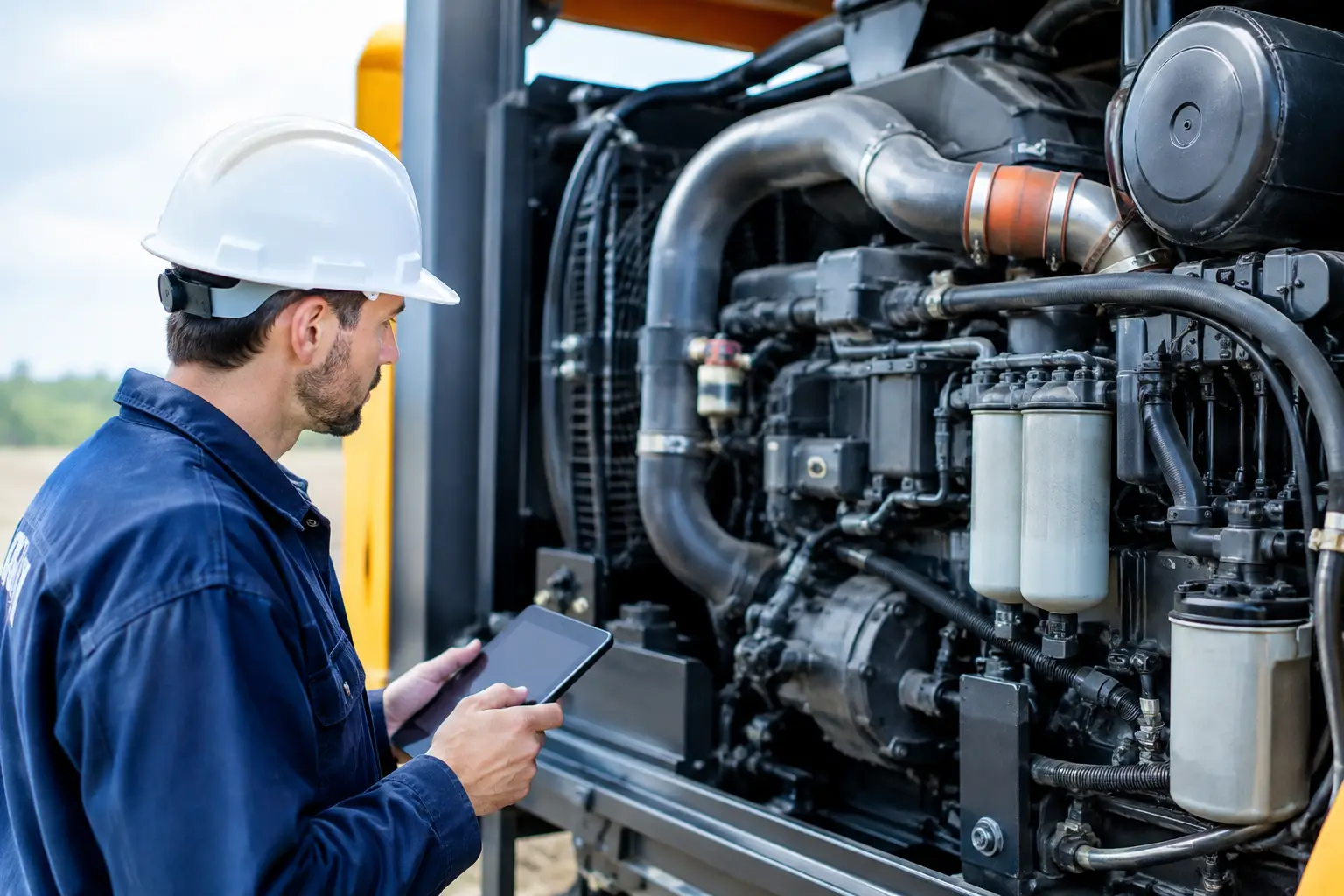
A yacht that suddenly will not reach normal RPM gets everyone’s attention. The vessel may still idle, maneuver, and run at reduced speed, but the loss of power can turn a simple run offshore into a safety and scheduling problem. So, what is engine derating? It is a protective action by the engine’s control system that limits available power, RPM, torque, or all three when it detects a condition that could damage the engine.
Derating is often called limp mode, although the exact behavior varies by manufacturer and engine model. On modern marine diesel engines, the electronic control module constantly monitors temperatures, pressures, fluid levels, sensor readings, and other operating data. When a reading moves outside an acceptable range, the system may reduce output before a minor problem becomes an expensive engine failure.
For an owner or captain, the practical message is simple: a derated engine is asking for attention. It may be protecting itself from overheating, poor lubrication, fuel restriction, exhaust problems, or an electrical fault. Continuing to demand full power can defeat the purpose of that protection and raise the repair bill considerably.
What Is Engine Derating on a Marine Diesel?
Engine derating is not one specific fault. It is the engine’s response to a fault or unsafe operating condition. Depending on the system, the engine may limit RPM, reduce fuel delivery, cap horsepower, disable certain functions, or initiate a more severe shutdown sequence.
A mild derate might only be noticeable when the boat is loaded or trying to get on plane. A more serious derate can leave the engine unable to exceed a low RPM range. Some engines display a warning, fault code, or stop-engine alarm immediately. Others provide more subtle clues, such as intermittent power loss, an elevated temperature reading, smoke, or reduced boost.
This is why the alarm itself should not be treated as the diagnosis. It is closer to a doctor noting abnormal vital signs. The engine control system has identified a risk, but a qualified technician still needs to determine what caused it and whether the sensor reading is accurate.
Common Causes of Engine Derating
On vessels operating in South Florida, cooling-related faults are among the most common reasons for a derate. Marine engines work in a demanding environment of heat, saltwater, humidity, and varying loads. A cooling system that appears fine at the dock may show its weakness once the vessel is running hard.
Restricted raw-water flow is a frequent culprit. A fouled sea strainer, blocked intake, damaged impeller, collapsed hose, or restricted heat exchanger can reduce cooling capacity. If coolant temperature, charge-air temperature, or exhaust temperature rises too far, the engine may limit power to prevent internal damage.
Coolers deserve special attention on larger yachts and high-output diesel platforms. Saltwater-side scale, marine growth, debris, and corrosion can reduce heat transfer long before an owner sees an obvious overheating event. Charge-air coolers, oil coolers, fuel coolers, and heat exchangers all play a role in keeping engine temperatures where they belong.
Fuel delivery problems can also trigger a derate. Contaminated fuel, water in the fuel system, clogged filters, failing transfer pumps, air leaks, or low rail pressure can prevent the engine from receiving the fuel it needs under load. The engine may feel as though it is starving for power, especially at higher RPM.
Other common causes include low oil pressure, low coolant level, high crankcase pressure, turbocharger or boost faults, exhaust restrictions, emissions-system issues on applicable engines, and wiring or sensor failures. A damaged connector, corroded terminal, or weak battery voltage can send incorrect information to the control module and produce a derate even when the mechanical system is healthy.
Why You Should Not Ignore a Derate Alarm
A derate can be inconvenient, but it is often far less costly than the damage it is designed to prevent. Excessive engine temperature can affect cylinder heads, valves, pistons, turbochargers, hoses, seals, and cooling-system components. Low oil pressure can quickly threaten bearings and other internal parts. Repeatedly forcing an engine to operate beyond its protective limits is never a good trade for getting home a few minutes sooner.
That said, a derate does not always mean the engine needs a major rebuild. A restricted strainer, plugged filter, low coolant level, failing sensor, or cooler that needs service can be the root cause. The only responsible approach is to identify the active faults, verify the readings, and inspect the systems that support the engine under real operating conditions.
Captains and owners should also remember that a single derate event can reveal a maintenance issue across the vessel. For example, overheating may originate with a raw-water restriction, but the inspection may also uncover overdue cooler service, worn impellers, deteriorated hoses, or an inaccurate temperature sensor. Addressing the entire condition helps prevent the same call from happening again on the next trip.
What to Do When Your Engine Loses Power
First, reduce throttle and keep the vessel in a safe operating condition. Watch the engine gauges and displays closely. If there is a stop-engine alarm, severely high temperature, low oil pressure, smoke, steam, or an abnormal mechanical sound, follow the manufacturer’s shutdown guidance and prioritize the safety of the vessel and everyone aboard.
Do not clear fault codes repeatedly and assume the problem is gone. Clearing a code may remove the visible warning temporarily, but it does not repair a blocked cooler, failing pump, wiring fault, or fuel issue. It can also make diagnosis harder if the technician arrives after the evidence has been erased.
If it is safe to do so, make a few useful observations for the service technician: note the alarm message or fault code, the engine hours, RPM at which the derate occurred, coolant and oil readings, weather conditions, fuel level, and whether the issue happened under load or at idle. Those details can shorten diagnostic time and help avoid unnecessary parts replacement.
Basic checks may be appropriate for an experienced operator, such as confirming that the sea strainer is clear, checking fluid levels according to the manufacturer’s procedure, and looking for obvious leaks. Avoid opening a hot cooling system or working around moving belts, hot exhaust components, or pressurized fuel equipment. When in doubt, stop and call a marine diesel professional.
Diagnosing the Cause, Not Just the Code
A proper derate diagnosis starts with electronic data, but it does not end there. Technicians connect manufacturer-compatible diagnostic equipment to retrieve active and stored fault codes, engine history, sensor values, and operating snapshots. On platforms such as MTU, MAN, and Caterpillar, this information helps narrow the search, but the code must be interpreted in the context of the vessel.
The next step may include checking coolant concentration and pressure, raw-water flow, heat-exchanger condition, fuel pressure, boost performance, exhaust backpressure, battery voltage, wiring integrity, and sensor signals. A load test or sea trial may be necessary when the fault appears only at cruising RPM. Replacing a sensor simply because it is named in a code can be a costly mistake if the sensor is accurately reporting a separate cooling, fuel, or electrical problem.
For yachts from 50 to 500 feet, the value of mobile diagnostics is straightforward. A qualified technician can come to the vessel, inspect the engine where it operates, and reduce the time and expense of arranging a haul-out or moving the boat to a yard. GTM International provides mobile marine engine diagnostics and repair throughout the South Florida coastal corridor, helping owners and captains address derates before lost power becomes a larger operational problem.
Preventing Future Engine Derating
Not every derate is preventable, but disciplined maintenance greatly reduces the risk. Engine manufacturers set service intervals for a reason, and marine conditions can justify more frequent attention than a calendar alone suggests. Engines that run hard, sit unused for long periods, operate in silty water, or spend time in high-heat conditions may need closer monitoring.
A preventive program should include regular fluid and filter service, inspection of hoses and belts, cooling-system checks, raw-water pump and impeller attention, cooler cleaning on the correct schedule, battery and charging-system testing, and periodic electronic scans. Fuel quality management matters as well, particularly for vessels that sit between trips or take fuel from varying sources.
The goal is not to replace parts without cause. It is to spot declining performance before the engine control module has to step in. Think of it as preventive medicine for the machinery that gets you and your guests safely back to the dock.
If your engine has derated once, treat it as a useful warning rather than an interruption to work around. Record what happened, avoid pushing the engine beyond its limits, and have the underlying cause checked before the next long run. A timely on-site inspection can save time, money, and stress while helping ensure your vessel is ready when the water calls.
