
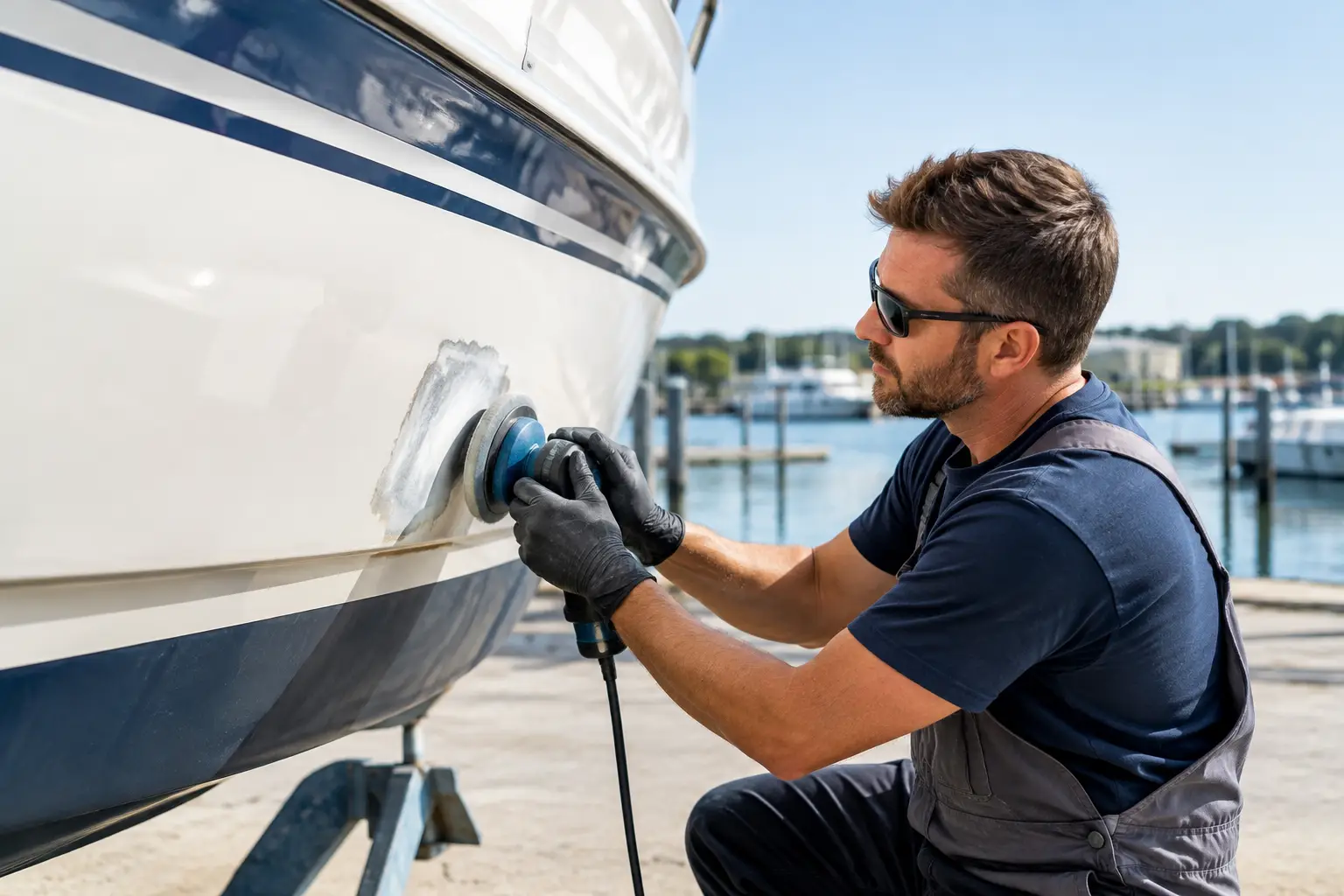
A docking incident rarely happens at a convenient time. A sudden crosswind, a crowded marina fairway, a failed thruster, or one misjudged approach can leave a yacht with visible scrapes and less obvious damage behind the panels, below the waterline, or in the systems that make the vessel safe to operate. Prompt docking damage repairs protect more than appearance. They help prevent a small impact from becoming water intrusion, steering trouble, electrical failure, or a costly stretch of downtime.
For owners, captains, and fleet operators from Fort Lauderdale to Fort Pierce, the first question is usually simple: can the vessel be safely moved, or does it need professional attention where it sits? The answer depends on where the impact occurred and what systems may be involved. A qualified mobile marine technician can assess the damage at the dock, identify urgent concerns, and help determine the right path without automatically sending the boat to a yard.
What Docking Damage Can Affect
A rub rail or gelcoat scrape may be the only visible sign of contact, but the force of an impact can travel well beyond the surface. On a 50-foot sportfish or a 100-foot motor yacht, a strike against a piling, seawall, finger pier, or another vessel may affect components that need a closer look before the boat returns to open water.
Damage near the stern deserves particular attention. That area can involve propellers, shafts, struts, trim tabs, transducers, steering gear, exhaust outlets, and underwater lights. A light impact can bend a propeller blade enough to introduce vibration at speed. More substantial contact can affect shaft alignment, steering response, or fittings below the waterline.
Side impacts can create problems with deck hardware, railings, windows, wiring, shore power connections, and fuel fills. A hard hit around the bow can affect an anchor system, bow thruster, pulpit, navigation lights, or forward compartments. The cosmetic repair may be straightforward, but the systems behind it still need to be checked.
The practical rule is this: do not judge the severity of a docking incident by the paint or gelcoat alone. If the vessel took a hard hit, begins handling differently, shows a new vibration, has a warning light, or takes on water, treat it as a mechanical and safety concern first.
When to Call for Docking Damage Repairs
An immediate inspection is wise whenever there is a suspected breach below the waterline, active leaking, damaged running gear, impaired steering, or an electrical issue. Shut down equipment that appears affected, document the scene with photos, and avoid running the vessel if doing so could worsen the damage.
Even when the boat seems operable, watch for changes that often appear after a docking strike. These include a new vibration under way, unusual noise in gear, a pull at the helm, a malfunctioning trim tab, a bilge pump cycling more often than normal, or electronics and lighting that no longer work as expected. Those symptoms can point to issues that are not visible from the dock.
For larger yachts, captains should also consider the effect on onboard systems. An impact may jar battery connections, damage wiring runs, affect generator cooling or exhaust components, or place stress on hydraulic steering equipment. Continuing to operate before the cause is understood can turn a manageable repair into a larger service event.
A Mobile Assessment Saves Time and Stress
The traditional response to marine damage is to schedule a boatyard visit, arrange a haul-out, and wait for an opening. That process is sometimes necessary, especially for structural hull work, bottom repairs, or work that requires dry access. But it is not the starting point for every incident.
Mobile docking damage repairs begin with a practical on-site evaluation. A technician can inspect accessible mechanical, electrical, steering, and cooling-related components at the vessel, test affected systems, and identify what can be corrected dockside. This saves owners from paying for hauling and transport before there is a clear reason to do so.
It also gives captains better information for insurance reporting and repair decisions. Instead of guessing whether a vibration is propeller-related, whether a steering issue is hydraulic, or whether a warning is tied to the impact, they can get a professional diagnosis based on the vessel in front of them.
GTM International brings certified, licensed, and insured mobile marine service directly to vessels throughout the South Florida coastal corridor. For diesel-powered yachts and boats from 50 to 500 feet, that means knowledgeable support for the engine, generator, electrical, and steering systems that may be affected by an impact, without adding unnecessary yard logistics to an already stressful situation.
Repairs That May Be Handled at the Dock
The right repair plan depends on the damage, vessel design, access, and safety requirements. Many post-impact issues can be diagnosed and repaired on site, including damaged electrical connections, navigation and deck lighting faults, trim-tab concerns, steering-system checks, battery and charging issues, engine or generator alarms, and cooling-system components that may have been jarred or compromised.
An engine inspection is especially valuable after a stern or underwater strike. Diesel engines from manufacturers such as MTU, MAN, and Caterpillar depend on properly functioning cooling, exhaust, controls, and drivetrain-related systems. The engine itself may not have contacted anything, but related hardware can still be affected. A careful inspection helps protect the equipment that keeps the vessel reliable offshore.
Some repairs should be referred to a specialized hull, fiberglass, or propeller shop, and a reputable marine service provider will say so plainly. Deep cracks, damaged fiberglass laminate, compromised through-hull fittings, bent shafts, major propeller damage, and underwater repairs that require hauling are not jobs to rush from a dock. The value of a mobile assessment is knowing what can be addressed immediately, what requires a yard, and what must be done before the boat moves again.
Protecting the Vessel After the Initial Repair
Once urgent issues are addressed, a follow-up check can be just as valuable as the first response. A vessel may perform normally at idle yet reveal vibration, alignment concerns, or cooling problems only after it is operated under load. Captains should monitor engine temperatures, steering feel, bilge activity, charging performance, and any new noise during the first trip after repairs.
This is also a good time to look at the conditions that contributed to the incident. If wind or current made close-quarters maneuvering difficult, review docking procedures and line handling. If a thruster, engine control, steering system, or camera did not respond as expected, add that equipment to the diagnostic scope. Preventive maintenance is not just about oil changes and filters. It is about making sure the systems used in a tight marina work when precision matters.
For vessels that operate frequently, recurring inspections help catch minor concerns before the next docking event exposes them. Hydraulic steering checks, battery and electrical inspections, cooling-system service, generator maintenance, and engine diagnostics all support dependable maneuvering and reduce the risk of an avoidable problem at the dock.
A docking strike can be frustrating, but quick, informed action keeps it from defining the rest of your season. Have the vessel assessed, make safety the first priority, and repair the systems that support safe operation before heading back out. The right technician can help you make that call at your dock, save time and stress, and get you back out at sea with confidence.
