
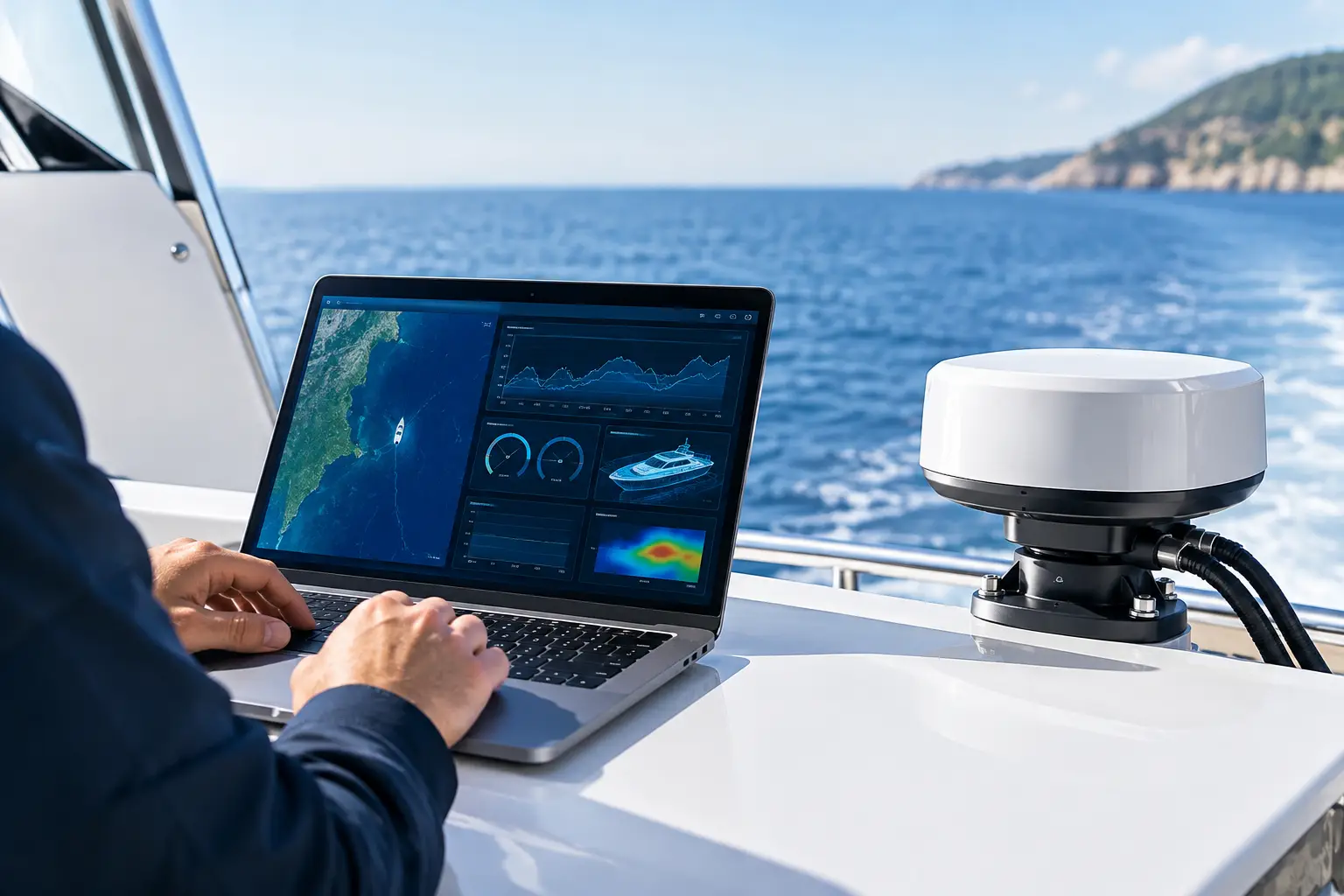
A high-temperature alarm at the dock is inconvenient. The same alarm 20 miles offshore, with guests aboard and a tight return schedule, can become a costly interruption. Predictive marine diagnostics technology gives owners and captains a better chance to see trouble developing before it becomes a no-start condition, an overheated engine, or an unexpected generator failure.
For yachts and larger recreational vessels, this is not about replacing experienced technicians with a screen full of data. It is about giving skilled marine professionals clearer evidence of what the engine and supporting systems are doing over time. Used correctly, it helps protect uptime, prevent avoidable damage, and schedule service when it is convenient instead of waiting for a breakdown to make the decision.
What Predictive Marine Diagnostics Technology Does
Traditional marine diagnostics often begin after a warning light, alarm, performance loss, fluid leak, or hard start. A technician connects manufacturer-compatible diagnostic equipment, reviews fault codes, inspects the engine, and tests the systems involved. That work remains essential.
Predictive technology adds another layer. It tracks operating data and looks for patterns that may point to a developing issue before the vessel loses performance or triggers a serious alarm. Depending on the equipment installed, that data can include engine temperature, oil pressure, coolant temperature, battery voltage, charging output, fuel pressure, exhaust temperature, RPM, load, run hours, and fault-code history.
The value is not in collecting every possible number. The value is in identifying a meaningful change. A coolant temperature that rises slightly under the same load, a generator that needs longer cranking time, or a voltage reading that drops during repeated starts can all deserve attention. One reading may not prove a failure. A pattern across several trips can tell a much more useful story.
Think of it like a doctor comparing a patient’s current results with prior visits. The result is not a diagnosis by itself. It tells the technician where to look, what to test, and how urgently the vessel needs care.
The Systems That Benefit Most
Marine diesel engines are built to work hard, but their reliability depends on many connected systems. A small restriction or weak component can affect performance long before an owner sees smoke or hears an alarm.
Cooling systems are a prime example. Rising operating temperatures may point to marine growth, debris, a failing impeller, a restricted heat exchanger, a worn pump, or a problem in the raw-water circuit. Monitoring temperature trends can help catch a cooling concern early, when a cooler service or targeted repair may prevent an overheating event.
Fuel delivery also deserves close attention. Contaminated fuel, restricted filters, air leaks, water intrusion, and declining pump performance can cause rough running, reduced power, difficult starting, or repeated fault codes. On a vessel that sits between trips, these issues can develop quietly. Tracking performance changes gives a technician a stronger starting point than waiting for the engine to refuse to start on departure day.
Electrical and charging systems are another major area. Battery voltage, alternator output, generator performance, and load behavior matter because modern vessels depend on electrical power for navigation, pumps, communications, comfort systems, and engine controls. A gradual voltage problem can become a no-start situation at exactly the wrong time.
For vessels with MTU, MAN, or Caterpillar engines, manufacturer-specific diagnostic information is especially valuable. These platforms can report faults and operating conditions that help a qualified technician distinguish between a transient alert, a maintenance need, and a concern that requires immediate testing or repair.
Data Is Helpful, but It Is Not a Repair Plan
Owners should be careful not to treat remote data as a final answer. A sensor can fail. A single high temperature event may come from an unusual operating condition. A fault code can identify the affected circuit or condition without identifying the root cause.
That is why predictive monitoring works best with physical inspection and professional diagnostics. A technician may need to inspect belts and hoses, pressure-test a cooling circuit, examine filters, check wiring connections, test batteries under load, analyze fluids, or inspect a heat exchanger. The data makes the service visit more focused. It does not eliminate the hands-on work that keeps a yacht safe and dependable.
There is also a practical trade-off. More sensors and more monitoring can provide better visibility, but they can also create more alerts, installation expense, and information to manage. A smaller recreational vessel may benefit most from disciplined maintenance records and periodic diagnostic scans. A yacht that runs frequently, charters, travels long distances, or supports a demanding onboard electrical load may justify more continuous monitoring.
The right approach depends on how the vessel is used, the age of its systems, the engine platform, and the cost of unexpected downtime.
A Better Maintenance Strategy Starts With Baselines
Predictive diagnostics are most useful when there is a healthy baseline for comparison. If no one knows what normal oil pressure, voltage, temperature, startup behavior, and load response looked like when the vessel was operating well, it is harder to recognize a gradual decline.
A professional inspection creates that starting point. Technicians can review current fault codes, verify fluid levels and condition, inspect cooling and fuel components, assess charging performance, and document issues that should be watched. From there, operating hours and maintenance intervals can be matched to the vessel’s real use rather than relying only on the calendar.
This can make routine service more efficient. Instead of replacing parts blindly or waiting for a complete failure, service can be prioritized around evidence. That may mean scheduling cooler cleaning before temperatures become a problem, correcting a charging issue before batteries are damaged, or addressing repeated generator faults before an extended trip.
It also supports better budgeting. Marine repairs are often less stressful when an owner has time to approve a planned service visit, source the right parts, and arrange access to the vessel. Emergency repairs rarely offer that flexibility.
Why Mobile Service Matters When a Trend Appears
A predictive alert is only valuable if someone can respond and verify what it means. Sending a yacht to a repair yard can involve scheduling delays, travel time, towing concerns, and added logistics. For a vessel that is otherwise safe to remain at the dock, having qualified service come to the boat can save time, money, and disruption.
GTM International brings certified, licensed, and insured marine technicians directly to vessels throughout the South Florida coastal corridor. For yachts and diesel-powered boats from 50 to 500 feet, on-site service makes it easier to inspect the actual operating environment, review available diagnostic information, and perform needed repairs without adding the burden of a yard move.
Mobile diagnostics are particularly useful when an issue is intermittent. A problem may only appear after a certain load, during generator operation, after extended idle time, or when several electrical systems are running at once. Testing at the vessel helps technicians see the full picture instead of working from a description of what happened days earlier.
When to Call Before the Alarm Gets Worse
Do not wait for a total shutdown if you notice repeated but minor changes. A single event may be harmless, but recurring symptoms are worth checking. These include a rising temperature trend, slower starts, lower voltage, unusual exhaust, changing fuel consumption, intermittent alarms, rough generator operation, or fault codes that return after being cleared.
Captains and owners can help by recording the conditions when the change occurs: engine hours, RPM, load, weather, recent fuel purchases, and which systems were running. That information gives the technician context and can shorten the diagnostic process.
A responsive service call can often turn a developing concern into a manageable maintenance visit. That is the real benefit of predictive technology: not more data for its own sake, but fewer surprises between the dock and open water.
The best time to investigate an unusual engine trend is when the vessel is still safely tied up, the schedule is still yours to control, and a small repair has not yet had the chance to become a major interruption.
