
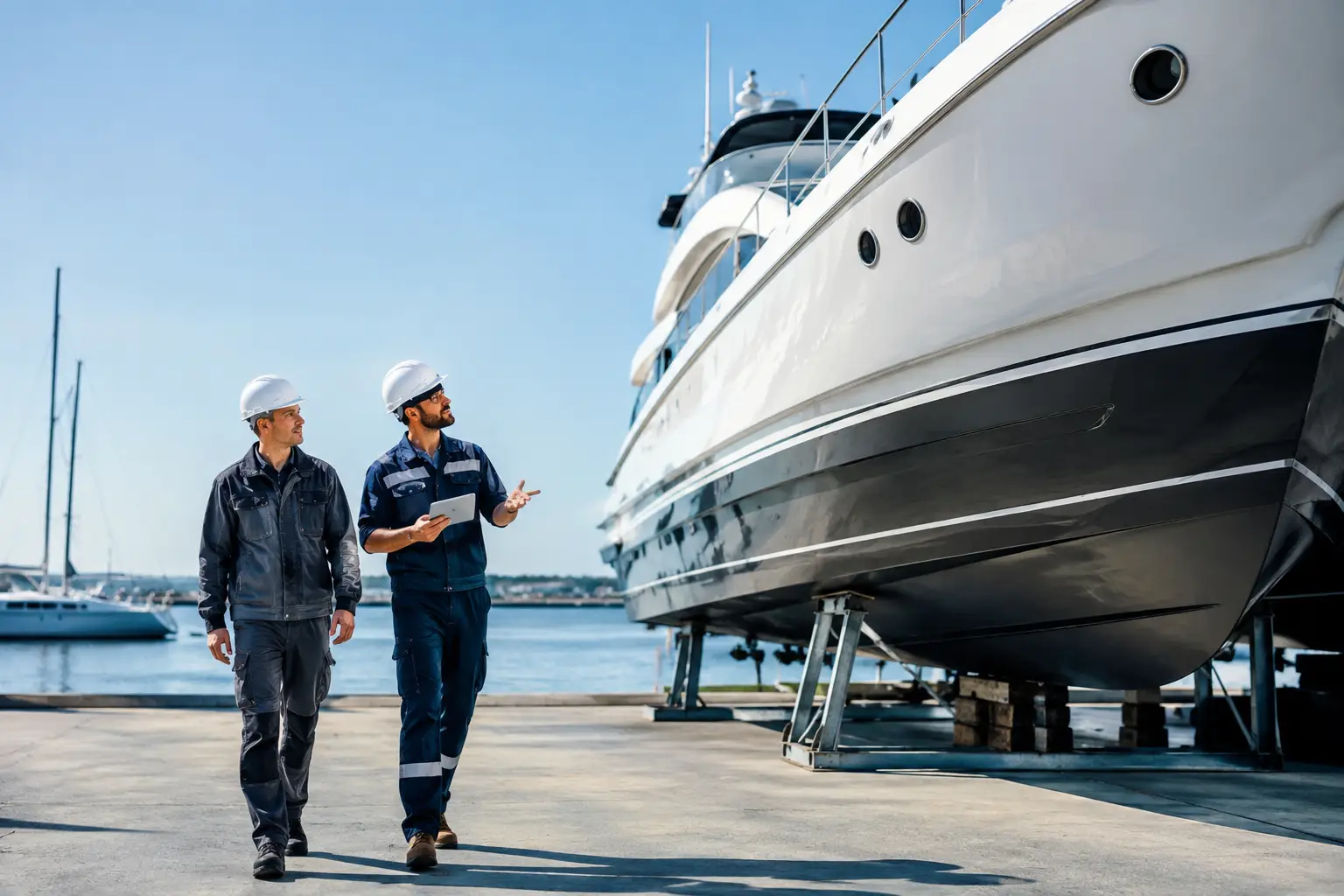
A yacht does not need to be far offshore for a small engine issue to become an expensive interruption. A temperature alarm at the dock, a generator that will not carry a load, or steering that feels inconsistent can change a planned day on the water into a scheduling problem. The right marine contractors help prevent that disruption by bringing qualified diagnostics, repair capability, and practical maintenance directly to the vessel.
For owners, captains, and fleet operators from Fort Lauderdale to Fort Pierce, the goal is not simply to fix what failed. It is to protect a high-value vessel, avoid unnecessary yard time, and get back out at sea with confidence.
What Marine Contractors Should Do for Your Vessel
A capable marine contractor is more than a mechanic who can replace a part. Marine systems operate in a harsh environment where heat, saltwater, vibration, corrosion, and long periods of inactivity can expose weaknesses quickly. Effective service requires the ability to identify the real cause of a problem before replacing components or making recommendations.
That starts with diagnostics. When an engine is running hot, for example, the cause may be a restricted cooler, a failing raw-water pump, a damaged impeller, a sensor issue, or a problem elsewhere in the cooling circuit. Replacing the most visible part without testing the system can cost more and leave the original problem unresolved.
The same principle applies to generator performance, electrical faults, steering systems, and engine alarms. Your service provider should be able to inspect the vessel, explain what the findings mean, and recommend work based on safety, reliability, and operating priorities. Owners should not have to translate vague technical language or guess whether a repair can wait.
For diesel-powered yachts, manufacturer familiarity matters. MTU, MAN, and Caterpillar engines have different service requirements, diagnostic processes, and component configurations. A technician who understands the platform can work more efficiently and help protect engine life, performance, and resale value.
Mobile Service Changes the Cost of a Repair
Traditional repair yard service often begins with a logistical question: How do you get the boat there? Moving a vessel, coordinating a captain or crew, arranging dockage, and waiting for a yard opening can add significant cost and delay before anyone even begins diagnosing the issue.
Mobile marine service removes much of that burden. Certified, licensed, and insured technicians come to the marina, private dock, or other accessible location where the vessel is kept. That means the inspection can happen sooner, repairs may be completed without a haul-out, and owners avoid moving a boat simply to receive routine service.
Not every job can or should be handled dockside. Hull work, certain structural repairs, major repowers, and jobs requiring specialized lifting equipment may require a yard. A trustworthy contractor will say so clearly. But for many engine, generator, cooling, electrical, and steering concerns, on-site service is the faster and more cost-conscious option.
How to Choose Marine Contractors With Confidence
The lowest hourly rate is not always the lowest-cost decision. A technician who misdiagnoses a problem, lacks the right equipment, or makes repeated trips to complete basic work can create more downtime than a higher-qualified provider who identifies the issue correctly on the first visit.
Start by looking at credentials and coverage. Marine work involves complex machinery, fuel systems, electrical components, and valuable vessels. Licensed and insured service providers offer an important layer of protection, while factory training and platform-specific experience support better technical decisions.
Next, ask about the systems they service. A contractor may be excellent with one type of work but not equipped for broader vessel needs. For yachts between 50 and 500 feet, it is useful to work with a team that can address engines, generators, coolers, electrical systems, and steering concerns. One qualified point of contact can reduce coordination headaches when several systems need attention.
Response capacity also matters. Breakdowns do not follow office hours, especially when a vessel is preparing for a trip, carrying guests, or supporting commercial operations. A 24-hour response model does not mean every repair is completed instantly. Parts availability, weather, access, and the nature of the failure still matter. It does mean you can reach an experienced marine service partner quickly, get informed guidance, and begin making a plan.
Finally, pay attention to communication. The best contractors explain the condition of the equipment in plain terms, outline the recommended repair, and distinguish urgent safety concerns from maintenance that can be scheduled. This helps owners make informed decisions without feeling pressured into unnecessary work.
Preventive Maintenance Is the Best Downtime Strategy
Many major engine problems begin as manageable maintenance items. Cooling restrictions often develop gradually. Belts, hoses, clamps, batteries, fuel filters, and electrical connections can deteriorate before they create a no-start situation or an alarm. If these items are only addressed after failure, the vessel may lose a weekend, a charter, or an important trip.
Think of marine technicians as doctors for your vessel’s machinery. An emergency visit treats the immediate symptom. Preventive care looks for early warning signs, tracks system condition, and helps avoid a more serious event later. That approach is especially valuable for engines and generators that sit unused for extended periods or operate under demanding loads.
A useful maintenance program should reflect how the vessel is actually used. A yacht making frequent offshore runs has different needs than one kept primarily at the dock. Generator hours, engine hours, seasonal use, local water conditions, and the age of the equipment all affect service intervals and priorities.
Cooling-system service is a strong example. Heat exchangers, aftercoolers, oil coolers, and related components need attention based on manufacturer recommendations and operating conditions. Waiting until an overheat alarm appears can turn routine service into an urgent repair. Scheduled inspections help identify corrosion, blockage, leaks, and declining performance before they threaten the engine.
Preventive service also provides a clearer maintenance record. That record supports resale conversations, helps captains plan service windows, and allows technicians to spot patterns over time. If a recurring electrical issue or temperature change appears in the history, it is easier to investigate the root cause instead of treating every occurrence as an isolated event.
When a Problem Cannot Wait
Certain symptoms deserve immediate professional attention. Repeated overheating, low oil pressure, fuel leaks, smoke changes, loss of steering response, persistent alarms, electrical burning odors, or a generator that fails under load should not be treated as minor inconveniences. Continuing to run the equipment can turn a repairable issue into major component damage or create a safety concern.
If an alarm occurs, reduce load when it is safe to do so, follow the vessel manufacturer’s operating guidance, and avoid guessing at the cause. A captain may be able to perform basic checks, such as confirming fluid levels or looking for obvious leaks, but bypassing alarms or repeatedly restarting equipment can make diagnosis harder and damage worse.
Fast response is valuable because it gives you options. A qualified technician can assess whether the vessel can remain in service, needs a limited repair before its next trip, or should stay dockside until a more significant issue is corrected. Clear advice protects both the machinery and the people depending on it.
Service Built Around Time on the Water
GTM International provides mobile maintenance and repair support for gas and diesel vessels throughout the South Florida coastal corridor. The focus is practical: bring experienced technicians to the boat, diagnose the problem accurately, complete appropriate repairs, and reduce the time and expense tied to traditional repair-yard logistics.
Whether your vessel needs engine diagnostics, cooler service, generator work, electrical troubleshooting, steering repair, or a preventive maintenance plan, the right service decision starts before a breakdown. Schedule care while the boat is operating well, and when a warning sign appears, address it early. That is how you save time, money, and stress while keeping your next day on the water where it belongs.
