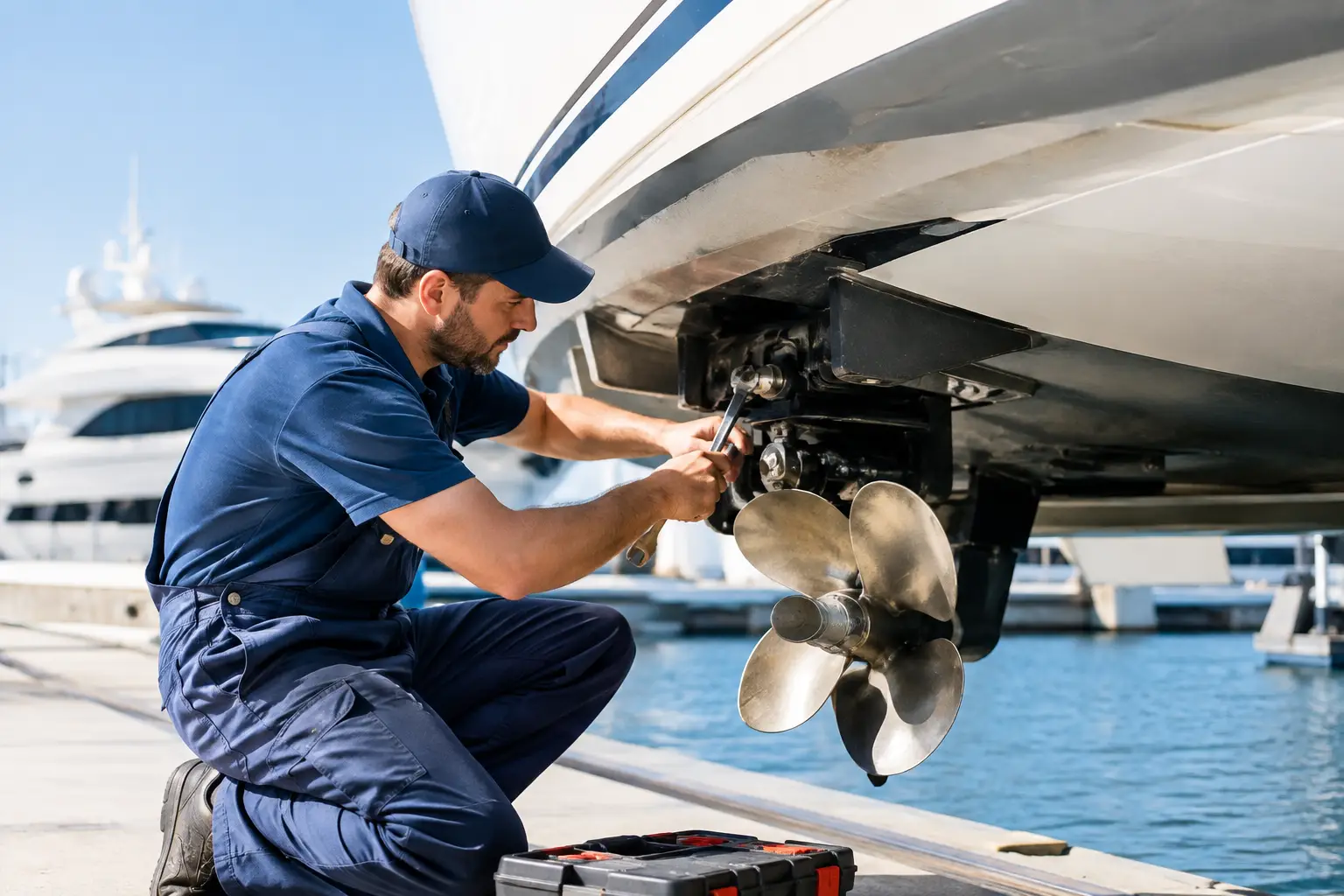
A dead generator before a weekend departure, an engine alarm at the dock, or a steering issue that appears during pre-trip checks can stop a yacht in its tracks. So, can mobile mechanics repair yachts? Yes – provided they are qualified marine technicians with the diagnostic equipment, parts access, insurance, and manufacturer knowledge required for the vessel. For many engine, electrical, generator, cooling, and steering concerns, bringing the repair team to the yacht is the fastest practical answer.
The key distinction is between a general mobile mechanic and a mobile marine repair specialist. Yachts operate in a harsh saltwater environment, often have complex diesel propulsion systems, and rely on interconnected onboard equipment. The right technician does not simply replace a part. They diagnose the source of the failure, account for the vessel’s specific systems, and make repairs that support safe, dependable operation offshore.
What Mobile Marine Mechanics Can Repair on a Yacht
A properly equipped mobile marine technician can complete a wide range of yacht repairs at a marina, private dock, yacht club, or waterfront property. This is especially valuable for owners and captains who want to avoid the cost, scheduling delays, and logistical hassle of moving a large vessel to a repair yard.
Engine diagnostics and repair are among the most common dockside services. A technician can investigate hard starts, loss of power, overheating, smoke, vibration, warning alarms, fuel delivery issues, fluid leaks, and charging problems. Modern diagnostics allow experienced technicians to assess engine data, identify fault codes, test components, and determine whether the problem is mechanical, electrical, or fuel-related.
Mobile service also works well for preventive maintenance. Oil and filter changes, fuel filter service, impeller replacement, belt inspection, fluid checks, zinc replacement, cooling-system maintenance, and general engine-room inspections can often be handled where the yacht is berthed. Preventive care is not glamorous, but it is far less expensive than waiting for an overheating event or fuel-system problem to become an emergency.
Generator work is another strong fit for on-site repair. A marine generator supports air conditioning, refrigeration, battery charging, lighting, navigation equipment, and onboard comfort. Mobile technicians can diagnose many generator starting, charging, cooling, and performance issues without moving the boat.
Electrical and steering repairs may also be completed dockside, depending on the system and the extent of the damage. Battery and charging concerns, wiring faults, switch and breaker problems, electronic troubleshooting, steering leaks, and certain hydraulic issues can frequently be evaluated and repaired on location. The benefit is immediate: the technician sees the yacht in its normal operating environment instead of trying to recreate the problem elsewhere.
For vessels with major marine diesel platforms such as MTU, MAN, or Caterpillar, technical familiarity matters. These engines require more than general mechanical experience. The technician needs the right approach, correct specifications, and an understanding of how the engine system communicates with supporting components aboard the yacht.
Can Mobile Mechanics Repair Yachts of Every Size?
Vessel size affects access, equipment needs, labor requirements, and the scope of the work, but it does not automatically determine whether mobile service is possible. Mobile marine teams regularly service larger yachts when the work can be performed safely at the dock and the vessel provides adequate access to the engine room, machinery spaces, and affected systems.
Yachts from 50 to 500 feet may receive mobile diagnostics, maintenance, engine service, cooler work, generator repairs, and system troubleshooting. For captains and fleet operators, this can reduce downtime substantially. Instead of coordinating a relocation, arranging a haul-out, and waiting for yard availability, service can begin at the vessel’s current location.
That said, larger yachts can have more complicated systems and tighter machinery spaces. A responsible service provider will explain what can be handled on site, what may require additional technicians or specialized equipment, and what should be scheduled at a shipyard. Clear expectations protect the vessel, the crew, and the repair budget.
When a Yacht Needs a Yard Instead of Mobile Repair
Mobile repair is convenient, but it is not the correct answer for every problem. Some work requires a haul-out, dry-dock access, heavy lifting equipment, controlled fabrication, or extensive disassembly that is not practical or safe at the dock.
Hull damage below the waterline, propeller and shaft work, major running-gear repairs, substantial fiberglass damage, and certain through-hull or underwater fittings generally require a yard. The same can be true for a complete engine repower, large-scale structural work, or an engine removal that needs cranes and dedicated lifting plans.
A major internal engine failure may begin with a mobile diagnosis but lead to yard-based repairs. For example, a technician may identify low compression, metal contamination in the oil, or an issue requiring removal of major components. The value of the mobile visit remains significant because it gives the owner a professional diagnosis before committing to a larger repair decision.
Think of mobile marine technicians as doctors making a house call. They can examine symptoms, run tests, provide treatment, and often resolve the issue right where the vessel sits. If surgery is required, they will tell you honestly and help you understand the next step rather than guessing or applying a temporary fix.
Why Dockside Yacht Repair Saves Time and Money
Moving a yacht for service can involve more than fuel and travel time. Depending on the vessel, it may require captain and crew coordination, marina reservations, towing arrangements, dockage fees, haul-out charges, and lost time on the water. Those costs add up quickly, especially when the original issue could have been diagnosed and repaired at the dock.
Mobile repair also reduces the chance that a minor concern becomes an extended outage. A small coolant leak, weak battery bank, failing belt, or generator warning may not prevent the yacht from starting today. Left alone, it can create a larger failure at the worst possible time. Early service keeps minor problems from becoming expensive disruptions.
There is a trade-off: mobile teams must work within the access, weather, power availability, and marina conditions at the vessel. Parts may also need to be ordered for a proper repair. A reputable technician will not rush an incomplete repair simply because the boat is dockside. They will diagnose the problem, explain the repair plan, source compatible parts, and complete the work to the appropriate standard.
What to Ask Before Scheduling Mobile Yacht Service
Before authorizing service, confirm that the provider works specifically on marine systems and has experience with your engine brand and vessel type. Ask whether the technicians are licensed and insured, whether they can perform onboard diagnostics, and whether they have the equipment needed for the repair you suspect.
It is also smart to describe the symptoms accurately. Note when the issue occurs, whether warning lights or alarms appear, what changed before the problem started, and whether the vessel has recently been serviced. Photos, videos, and engine readings can help, but they do not replace an in-person inspection.
For ongoing reliability, ask about a maintenance schedule tailored to the yacht’s engines, generator, usage pattern, and operating environment. A vessel used year-round in South Florida needs consistent attention to cooling systems, batteries, fuel quality, corrosion, and routine engine service. Maintenance is the most reliable way to protect your time on the water and avoid preventable repair bills.
GTM International brings licensed, insured marine technicians directly to yachts throughout the West Palm Beach and South Florida coastal corridor, including 24-hour response when urgent problems cannot wait. Whether the concern is a diesel engine, generator, cooler, electrical system, or steering component, the goal is straightforward: diagnose it correctly, repair it efficiently, and get you back out at sea.
If your yacht is showing an early warning sign, do not wait for it to become a departure-day emergency. A professional dockside inspection can give you a clear answer, a practical repair path, and the confidence to leave the dock prepared.
