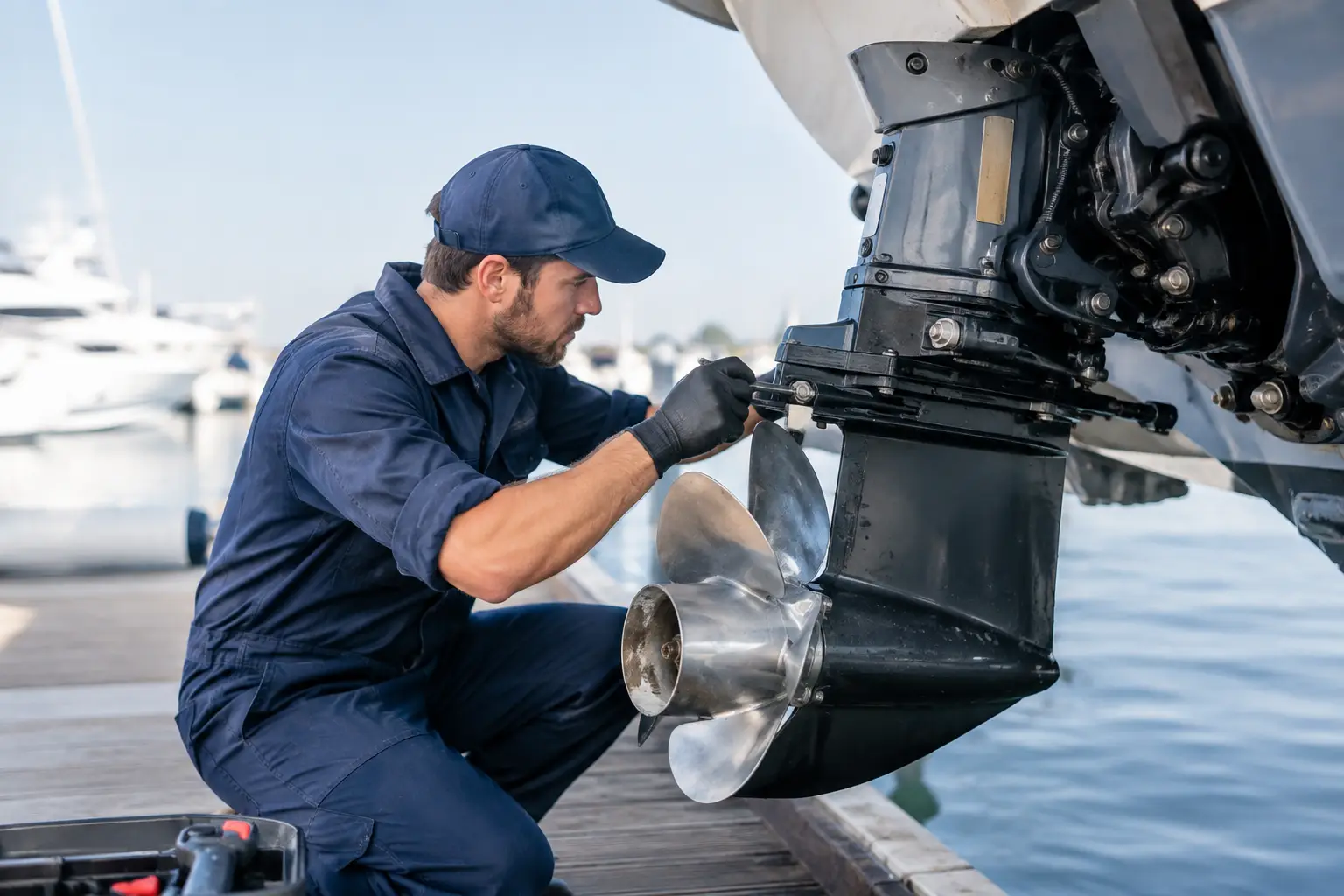
A dockside repair can look simple from the pier: a technician arrives, opens the engine room, diagnoses the problem, and gets to work. But your yacht, its machinery, and the people aboard represent a serious investment. If a repair goes wrong, a tool damages a hatch, a fuel line leaks, or someone is injured on the vessel, the question becomes very real: are dockside mechanics insured?
The honest answer is that some are, some are not adequately insured, and coverage varies widely. A professional mobile marine contractor should be prepared to explain its insurance, licensing, qualifications, and scope of work before it begins servicing your vessel. That conversation protects the owner, captain, crew, technician, and marina.
Are Dockside Mechanics Insured?
Reputable dockside mechanics generally carry insurance designed for the work they perform, but you should never assume that a business card, wrapped service truck, or online listing confirms meaningful coverage. Marine repair carries risks that do not exist in a typical automotive shop. Technicians may work around high-voltage electrical systems, diesel fuel, batteries, generators, steering components, cooling systems, and confined engine spaces. They may also be boarding a vessel worth hundreds of thousands or several million dollars.
A properly insured marine service provider recognizes that responsibility. Insurance is part of operating professionally, just like using the right diagnostic equipment, following manufacturer procedures, and documenting repairs. It is not a replacement for skilled work. It is the financial protection behind skilled work when an unexpected event occurs.
For owners and captains, the goal is not to interrogate every technician. The goal is to hire a company that answers direct questions clearly and treats your vessel with the same seriousness you do.
What Insurance Should a Mobile Marine Mechanic Carry?
The right mix depends on the services performed, vessel size, marina rules, and whether the contractor transports parts, employees, or equipment. Still, several forms of coverage are commonly relevant to professional dockside service.
General liability coverage
General liability helps address third-party property damage or bodily injury claims arising from the contractor’s operations. For example, it may respond if equipment damages a portion of the vessel or if a visitor is injured because of the service operation.
Owners should understand that general liability policies have limits, exclusions, and conditions. A policy that is suitable for a small handyman job may not be sufficient for extensive diesel engine work on a large yacht. Ask whether the contractor’s coverage is appropriate for the value and type of vessel being serviced.
Care, custody, and control protection
This is one of the most practical questions to raise. When a mechanic is working on your engine, generator, electrical system, or steering, the contractor may have direct control over valuable property. Standard liability policies can contain exclusions involving property in the contractor’s care, custody, or control.
Coverage addressing that exposure can be especially relevant in marine repair. It may apply differently based on the policy language and the circumstances of the loss, so do not rely on a verbal assurance alone. A qualified contractor and its insurance professional should be able to explain the protection in place.
Workers’ compensation and employer coverage
If a technician is injured while climbing aboard, working in an engine room, or handling heavy components, workers’ compensation coverage can protect both the employee and the vessel owner from disputes over who is responsible for medical costs and lost wages.
Maritime employment can add another layer of complexity. Depending on where and how work is performed, certain maritime laws or employer liability requirements may apply. That is one reason established marine service companies use trained personnel and maintain the business protections appropriate to their operation.
Commercial auto and pollution-related coverage
Mobile mechanics rely on trucks, service vans, tools, parts, fluids, and diagnostic equipment. Commercial auto coverage matters when the contractor is traveling to and from your dock. Pollution-related protection may also matter when work involves fuel, oil, coolant, hydraulic fluid, or other substances that could enter the water.
Not every repair creates the same environmental exposure. A visual engine inspection and a fuel-system repair are very different jobs. If the project involves fluid removal, tank work, hose replacement, or a potential discharge risk, ask how the contractor handles spill prevention and response.
Why a Certificate of Insurance Is Only a Starting Point
A certificate of insurance can be useful, particularly when a marina or yacht management company requires one before granting access. But it is not the insurance policy itself, and it does not explain every exclusion, deductible, limit, or endorsement.
When requesting proof of coverage, confirm the business name matches the company that will perform the work. Check that the policy is active and that the listed coverage makes sense for mobile marine maintenance and repair. If the job is substantial, ask whether the coverage limits are appropriate for the vessel and whether the marina requires the contractor to name it as an additional insured.
Do not confuse insurance with a warranty, either. Insurance addresses covered losses under the policy. A workmanship warranty addresses the contractor’s commitment to stand behind a repair. A professional service provider should be willing to discuss both.
Questions to Ask Before Approving Dockside Repairs
Before authorizing major engine, generator, electrical, or steering work, take a few minutes to establish who is working on the vessel and how the work will be managed. Ask whether the company is licensed and insured, whether its technicians are trained for your engine platform, and whether it can provide proof of insurance if requested.
You should also ask what work is included in the estimate, whether parts are manufacturer-compatible, and how the company handles unexpected findings. On a diesel-powered yacht, a reported overheating issue may lead to cooler service, impeller inspection, hose replacement, sensor testing, or a deeper diagnosis. Clear approval procedures prevent surprise costs and help everyone make good decisions under pressure.
For recurring maintenance, it is smart to ask how records are maintained. Service documentation helps owners track engine hours, cooling-system intervals, generator service, oil analysis, and repairs completed over time. It also gives the next technician a clearer picture of the vessel’s condition.
Insurance Does Not Replace Marine Expertise
A policy cannot correct a poor diagnosis, improper torque specification, mismatched part, or rushed installation. The first line of protection is hiring technicians who understand the systems they are touching.
Think of a qualified marine mechanic as a doctor for your vessel’s machinery. The right technician does not simply treat the obvious symptom. They inspect the systems around it, use diagnostics to identify the cause, and recommend preventive care that can avoid a larger failure offshore.
That matters with major marine diesel platforms such as MTU, MAN, and Caterpillar. These engines require more than general mechanical familiarity. Proper service involves manufacturer-compatible procedures, accurate diagnostics, clean work practices, and an understanding of how cooling, fuel, electrical, exhaust, and control systems work together.
It also matters when the work is mobile. A skilled dockside team arrives prepared to work safely at your location without creating unnecessary disruption for your crew, marina, or schedule. Mobile service can save the cost and delay of hauling a boat to a repair yard, but only when the contractor brings the right personnel, tools, insurance, and process to the dock.
When Marina Requirements Matter
Many marinas, yacht clubs, and condominium docks have vendor rules. They may require a certificate of insurance, minimum liability limits, workers’ compensation documentation, sign-in procedures, or specific work-hour restrictions. Some restrict hot work, fuel transfer, painting, or projects that block access to neighboring slips.
Call the marina before scheduling a major repair, especially if the work involves a generator removal, crane access, extended electrical troubleshooting, or fluid handling. A dependable contractor will cooperate with those requirements rather than treating them as a nuisance. That coordination helps avoid canceled work, access delays, and stress on the day service is needed.
Choosing a Dockside Partner You Can Trust
Price matters, but the lowest hourly rate is not always the lowest-cost repair. A technician who misdiagnoses a cooling issue or leaves an electrical fault unresolved can create expensive downtime, repeat labor, and damage that far exceeds the savings on the original call.
Look for a mobile marine company that is responsive, insured, and equipped to work on the systems aboard your vessel. Confirm that it can service your engine brand, explain findings in plain language, provide a clear estimate, and respond when a breakdown threatens your plans. For yacht owners and captains throughout the South Florida coastal corridor, GTM International brings certified, licensed, insured technicians directly to vessels for diesel and gas engine service, generator work, diagnostics, preventive maintenance, and related repairs.
Before the next service call, ask for the documentation you need and choose a team that welcomes the question. A well-maintained vessel deserves more than a quick fix at the dock. It deserves capable hands, accountable service, and the confidence to get back out on the water.
